


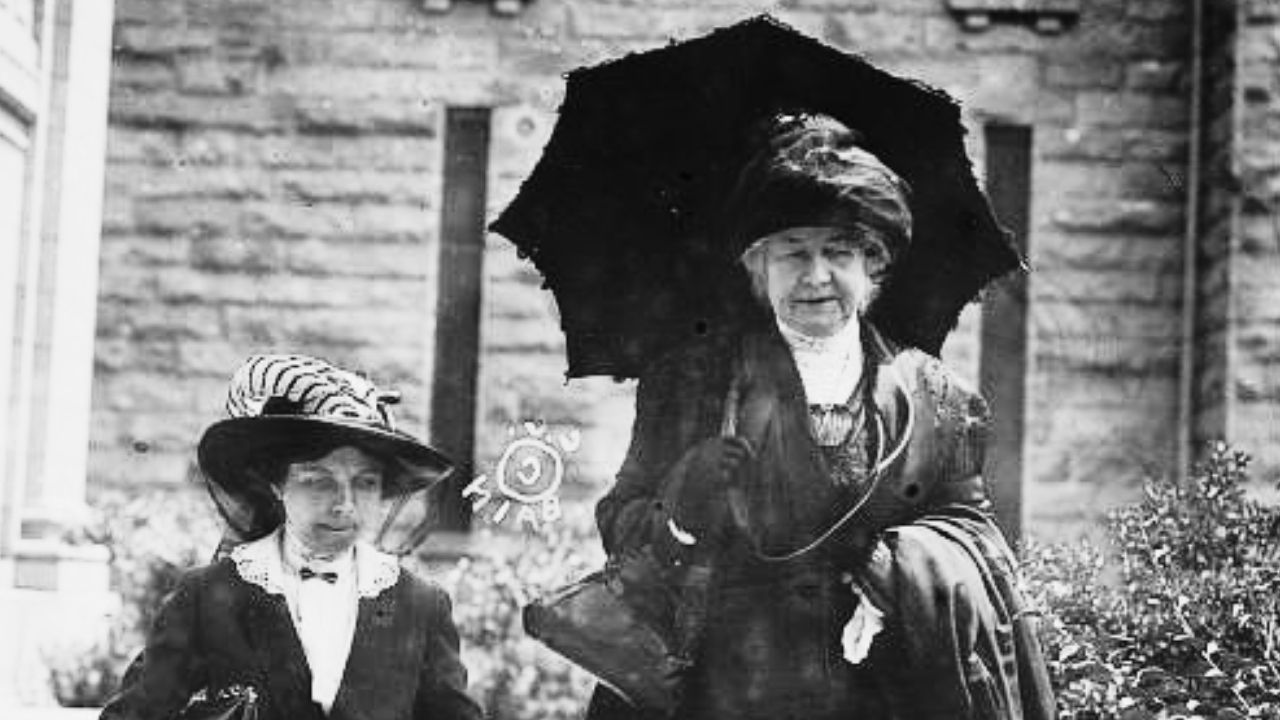
When tracing the footprints of those intertwined with industrial legacy, Roswell Miller III’s story invites curiosity. Born on December 14, 1922, in New York City, Roswell was known within his family circle as “Robin.” His life, which ended on April 5, 1975, remains partly a mystery, as some documents incorrectly note his passing on April 1 of the same year. Delving into his life offers a glimpse into a world where prominence meets ambiguity. This narrative explores his lineage, personal life, and the enigma surrounding his legacy.
Family Background
Understanding Roswell Miller III starts with knowing his illustrious family roots. His father was Roswell Miller Jr., and his mother, Margaret Carnegie Miller, held the unique distinction of being the sole heiress of Andrew Carnegie, the famed industrialist and philanthropist. Andrew Carnegie, known for his vast contribution to the steel industry and his generous endowments to public libraries and educational endeavors, played a significant role in shaping American society. Margaret, as his progeny, connected Roswell Miller III to a legacy of wealth, charity, and prestige, all of which shadowed yet perhaps influenced his personal identity.
Early Life
Roswell Miller III’s early years in New York City likely unfolded amid privilege yet were perhaps shielded from public scrutiny. Born into one of America’s most distinguished families on December 14, 1922, he was brought up during a time of significant cultural and economic change in the United States. Growing up in New York City, he would have experienced the vibrant transformation of the cityscape post the Great Depression and into the bustling World War II era. While records of his education and youthful endeavors remain sparse, the impact of his Carnegie lineage undoubtedly shaped his formative experiences and social milieu.
Death Details
Roswell Miller III’s life concluded in Centerbrook, Connecticut, on April 5, 1975, when he was 52 years old. Centerbrook is a quaint town, perhaps chosen for its tranquility, away from the bustling nature of his birthplace. The recording of his passing has faced discrepancies, with some notes erroneously marking it as April 1. Such conflicts might obscure the quest for exactness, yet they underscore the limited documentation of his death. Reflect on why discrepancies occur and how they affect the preservation of one’s narrative in history. It prompts a broader thought: what happens when historical footnotes do not align?
Resting Place
Roswell’s final resting place, Little Creich in Highland, Scotland, holds a personal or familial significance beyond its scenic vistas. Scotland’s rich connection to the Carnegie family possibly influenced this decision. The Carnegies hailed from the nearby village of Dunfermline, home to Andrew Carnegie before he emigrated to the United States. This final link to Scotland can symbolize a return to his ancestral roots, illustrating how family history and heritage anchored his life’s narrative. Ask yourself: How does one’s burial site reflect personal identity and ancestral connections? It’s a quiet but telling chapter in Roswell’s life.
Conclusion
The tale of Roswell Miller III, though filled with illustrious beginnings, is largely veiled in silence regarding his personal and professional pursuits. While he is intimately connected to the Carnegie legacy, concrete details of his own life—such as his career, achievements, or familial bonds—elude us. This lack of information highlights the broader challenge of understanding historical figures who reside in the shadow of famous relatives. Consideration of Roswell’s life sparks curiosity about how individual stories contribute to a larger historical narrative. Ultimately, the story you construct from these fragments reminds us of the importance of preserving individual legacies amidst the clamor of history.
Suggested Topics for Further Research
Exploring Roswell Miller III’s story points to several avenues for further investigation. While the current records reflect little about his professional trajectory, marriage, or offspring, you might consider these tips for expanding research:
Examine ancestral archives: Begin by exploring historical records, including letters, family papers, and archives. Ancestry databases can provide a treasure of hidden insights.
Tap into local historical societies: These sources might house sensitive records not digitized but available to the public upon request.
Investigate media archives: Look for mentions of Roswell in historical newspapers or periodicals; during his lifetime, many events might have shaped local or national contexts.
Check legal documents: Probate records, wills, or trusts might unveil more about personal or financial affairs, offering deeper understanding into his life.
Engage with genealogical communities: Networking with genealogists who specialize in connecting fragments of family history can yield fruitful discussions and unbelievable breakthroughs.
Key Takeaway: The intimate details of Roswell Miller III’s life might be elusive now, but with structured and persistent research, you may uncover stories waiting to be told. Let this serve as a reminder of how every life, no matter how shadowed by greater luminaries, contributes uniquely to the larger human narrative.
For inspiration and guidance on such historical exploration, consider resources like The Business Fold to harness effective research methodologies.
Also Read:
