


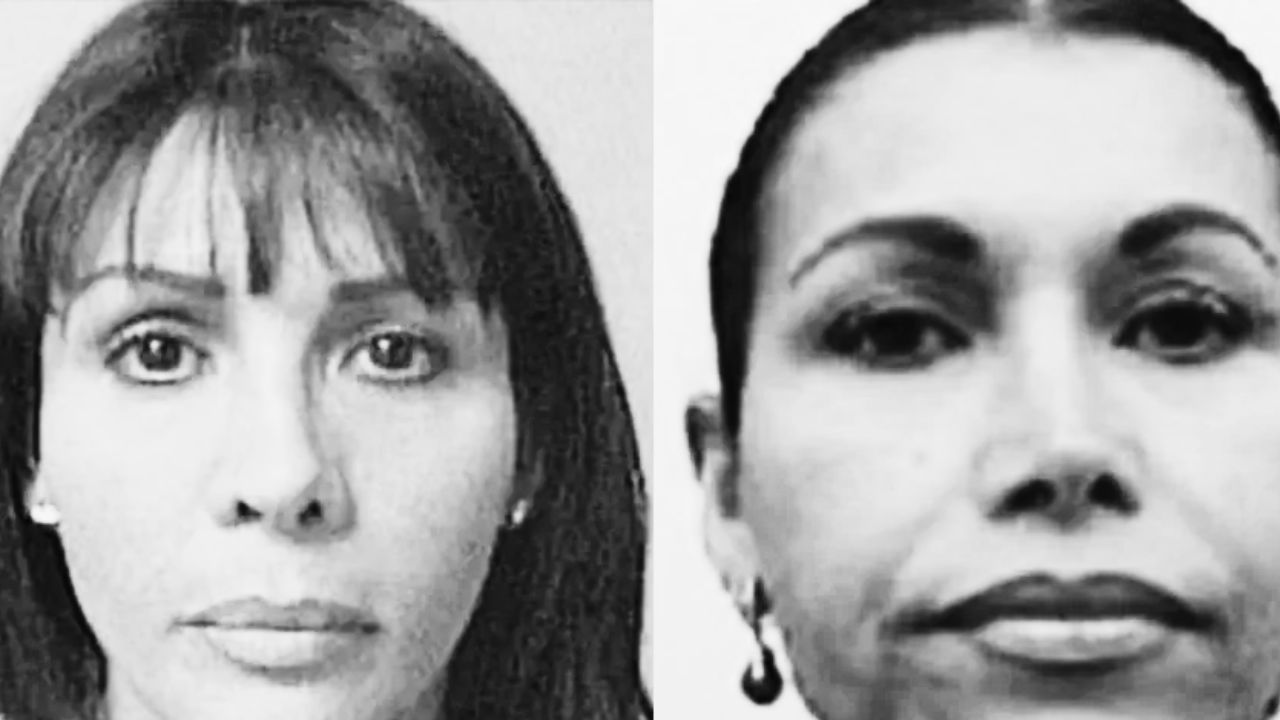
Start by exploring the intriguing story of Alejandrina María Salazar Hernández, and you’ll find yourself delving into the complex world of organized crime in Mexico. Salazar Hernández was born on July 17, 1958, in Culiacán, Sinaloa, a place known for its connections to drug trafficking networks. Alejandrina became more widely recognized due to her marriage to Joaquín “El Chapo” Guzmán Loera, the former leader of the infamous Sinaloa Cartel. Though often overshadowed by her husband’s notoriety, her life provides significant insights into the personal dimensions that influence the operations of such criminal enterprises.
Alejandrina’s story isn’t just a tale of her association with crime; it’s also about her roles as a wife and mother amid an empire built on illicit activities. Hernandez has often found herself under scrutiny due to her close ties with Guzmán. As you understand her journey, you might find yourself reflecting on the balance of personal relationships within controversial and perilous lifestyles.
Early Life and Marriage
Growing up in Culiacán, Salazar Hernández’s early life set the stage for her future entanglement with the underworld. Culiacán, the capital of Sinaloa, has long been a hub for narcotics trafficking, shaping the environment that both she and Joaquín Guzmán grew up in. At the age of 19, she married Guzmán in 1977. Consider the impact of such a life-changing decision at a young age—could she have foreseen the path ahead?
Their marriage wasn’t just a union of two individuals; it symbolized alliances within the drug trade. From a practical standpoint, their relationship solidified Guzmán’s status and influence within the cartel. What follows after such an alliance is a life mired in complexities and legal challenges. Don’t confuse apparent stability with peace, as her journey progressively underscores. You may ask yourself: How does one navigate the turbulent waters of a life tied to one of the most notorious criminals in history?
Family Life
Before you overlook the personal dimension, think about Alejandrina and Joaquín’s family life. They have four children: César, Alejandrina Gisselle, Iván Archivaldo, and Jesús Alfredo. Each child embodies the legacy and continuance of the Guzmán-Salazar narrative. Their lives oscillate between obscurity and infamy, affected by their father’s notorious reputation.
Here’s a thought: How do these children reconcile personal goals with the weight of their father’s legacy? You can see that their stories highlight the broader impact of Alejandrina and Joaquín’s decisions on their progeny.
Legal Challenges
Hernández’s life cannot be fully understood without considering the legal challenges she has faced. On June 7, 2012, she was designated by the U.S. Office of Foreign Assets Control (OFAC) for providing material support to her husband’s drug trafficking activities. Understanding the implications of such designations is crucial. This move freezes her U.S. assets and prohibits any dealings with her by American citizens.
Key Takeaway: This designation serves as a reminder of the international reach and influence of U.S. legal and financial systems.
Ask yourself: What are the broader implications for individuals linked, directly or indirectly, to organized crime?
Hernández’s case underscores the importance of remaining aware of international regulations, particularly for those involved in or bordering illegality. You may wonder: How do family members of notorious criminals navigate governmental protocols without becoming entangled in the web of legal repercussions?
Residency and Identification Details
At this point, it’s essential to explore how personal information, like residency and identification, plays a role in individuals’ profiles tied to illicit activities. Alejandrina is known to have several addresses in Guadalajara and Zapopan, Jalisco, Mexico. Some of the known locations include:
- Avenida Central 1191-35, Condominio Malaga, Colonia Parques de la Castellana, Zapopan
- Avenida Manuel Acuna 2929 C-6, Fraccionamiento Terranova, Guadalajara
- Avenida Nayar #222, Colonia Ciudad del Sol, Zapopan
- Avenida Pablo Neruda #4341-E9, Colonia Villa Universitaria, Guadalajara
Note the pattern of using various residences. Could this signify a strategy for evading authorities or managing risk? Adding layers of complexity, her Mexican C.U.R.P. identification number is SAHA580717MSLLRL07.
Such details are more than mere numbers; they build a profile that legal entities use to track individuals’ movements and transactions. Tip: Constant vigilance in safeguarding personal information can both protect legitimate interests and prevent unintended entanglements in unauthorized activities.
Conclusion
Ultimately, Alejandrina María Salazar Hernández’s story is one of intersection between personal choices and grander criminal machinations. By examining her life, you gain a nuanced understanding of how personal decisions impact broader narratives—particularly in high-stakes environments like the Sinaloa Cartel. Her ties to Joaquín “El Chapo” Guzmán have not only shaped her life but also the paths of their children.
Reflecting on her narrative, think about the dual themes of loyalty and legality. How do these play out in your domain, as you build and run businesses or juggle entrepreneurial ventures? For Hernández, her legacy is inextricably tied to the Sinaloa Cartel, a reminder that our associations and actions can have long-lasting impacts.
Now, if this exploration has piqued your curiosity about navigating complex personal and professional backgrounds, consider visiting this business resource. It could provide valuable insights tailored to small business owners and entrepreneurs grappling with their own challenging narratives.
The journey into Alejandrina María Salazar Hernández’s life can prompt more questions than answers, urging you to reflect on how individuals traverse ethically ambiguous paths. As you consider these complexities, a keen awareness of personal choices becomes an invaluable tool, both in personal life and business ventures.
Also Read:
