


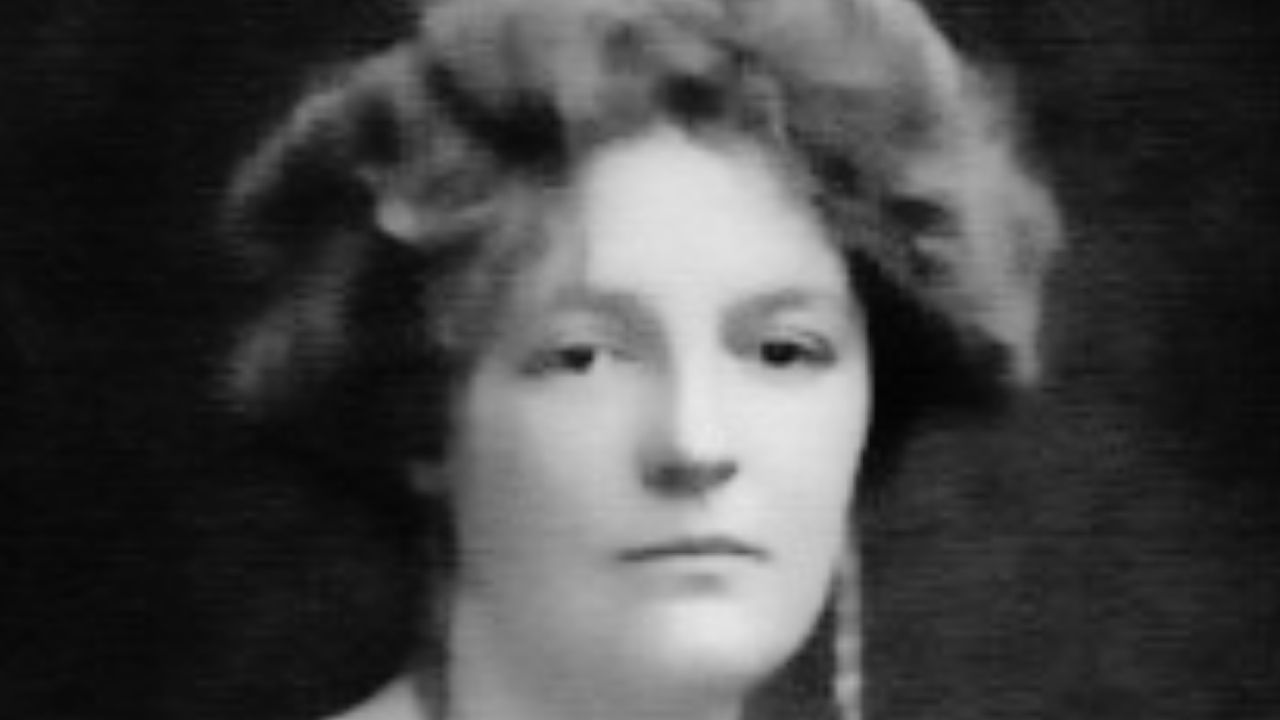
Start by understanding the context surrounding Aleister Crowley and Rose Edith Kelly, a couple known for their involvement in occult practices. Crowley, a significant figure in the world of Thelema, and Kelly, his wife, played central roles in the naming of their daughter, Nuit Ma Ahathoor Hecate Sappho Jezebel Lilith Crowley. Why such an elaborate name for their child? It reflects their deep connections to mythological and Thelemic traditions, a unique blend of influences from Egyptian, Greek, Jewish, and biblical sources.
Birth Details
To get the full picture of Nuit’s origins, consider her birth date, July 28, 1904, which ties directly to her parents’ time in Cairo. It was during their honeymoon that Crowley claims to have received the dictation of *The Book of the Law,* an event that marked the beginning of their daughter’s conception. Some records mistakenly list her birth year as 1902, but the 1904 date aligns with the timeline and critical events in Crowley’s life.
Significance of Her Name
It’s wise to look at the components of Nuit’s name to appreciate its significance:
- Nuit: The Thelemic form of the Egyptian sky goddess Nut, symbolizing the divine mother and the eternal cosmic presence.
- Ma Ahathoor: A variant of Hathor, another Egyptian goddess representing love, music, and motherhood.
- Hecate: The Greek goddess known for her association with magic and witchcraft.
- Sappho: Celebrated ancient Greek poet, known for her lyrical poetry addressing themes of passion and love.
- Jezebel: A biblical figure with a story tied to defiance and power.
- Lilith: A mysterious figure from Jewish folklore who embodies independence and a challenge to norms.
Through her name, Crowley and Kelly express a deep-seated connection to mythological and mystical traditions that influenced their beliefs and practices.
Circumstances of Her Death
Sadly, Nuit’s life was brief. She died in 1906 in Rangoon from typhoid fever at approximately the age of two. During this time, Crowley was traveling separately. He later attributed her untimely death to Rose’s struggle with alcoholism, which might have compromised her ability to properly sterilize Nuit’s bottle. It’s a grim reminder of the vulnerabilities faced in that era, even for the children of such mystical and affluent figures.
Life and Limited Documentation
Ask yourself: What do we know about Nuit besides her name and tragic death? Unfortunately, documented information about her life is limited, overshadowed by her parents’ high-profile occult pursuits. Consider that during her short life, records are scarce, and she remains absent from genealogical databases like MyHeritage. This scarcity emphasizes the complex environment in which she was born, where her parents’ activities took precedence over detailed familial documentation.
Connection to The Book of the Law
Nuit’s birth followed closely after the reception of *The Book of the Law.* Crowley and Rose’s intense engagements with Egyptian deities around this time seem not to be mere coincidence. Consider how the invocation of these mythological and divine figures ties to both Crowley’s spiritual pursuits and their daughter’s Thelemic name. These connections highlight the intertwining of personal and spiritual revelations during this period of Crowley and Kelly’s lives.
Conclusion
Ultimately, Nuit Ma Ahathoor Hecate Sappho Jezebel Lilith Crowley’s story is a poignant reflection of her parents’ beliefs, their influence on her life, and the era’s challenges. The brief two-year span of her life still prompts reflection on how deeply her parents’ mystical and mythological convictions shaped her existence. As you consider exploring further into the world of Crowley, remember the impact these figures continue to have on esoteric practices today. For more on the dynamics of historical narratives and their influence on the present, revel in https://thebusinessfold.com/. It’s wise to use such resources for broader insights.
Also Read:
