


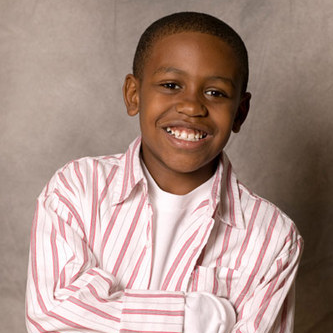
When you explore the fascinating world of Maya Angelou’s autobiographies, it’s impossible to miss the strong presence of her brother, Bailey Johnson Jr. His life story is filled with invaluable lessons and insights, particularly when understanding Angelou’s childhood and early influences. Bailey’s role in Maya’s life is most vividly depicted in her famous book, *I Know Why the Caged Bird Sings*. But why should you care about Bailey Johnson Jr.? Because his resilience and protective nature significantly shaped Maya Angelou, one of the greatest literary voices of our time. Let’s start by diving into who he was and why his story matters.
Early Life and Family Background
Bailey Johnson Jr.’s journey begins in the backdrop of the American South during the late 1920s. Born around 1927–1928 to Bailey Johnson Sr. and Vivian Baxter, he arrived in a world facing economic challenges and deep-seated racial tensions. Growing up in Stamps, Arkansas, with his younger sister Maya, Bailey was exposed to the harsh realities of life early on. Are you wondering about his relationship with Maya during this time? They shared a singularly unique bond, much influenced by the absence of parental figures due to frequent relocations.
Picture this: two siblings grappling with life in Arkansas, surrounded by racism and family separations. Unlike many of their peers, Bailey and Maya had each other as anchors. Their early years were marked by these challenges; however, they were also a time of developing resilience. It’s wise to recognize that these formative years set the tone for their lifelong relationship. Ask yourself: How did these early experiences shape your relationships? By thinking about this, you can gain insights into the symbiotic bond these siblings shared.
Personality Traits and Characteristics
Bailey Johnson Jr. was known for his grace and intelligence—traits that made him stand out. He had a charming presence, one that often shielded Maya from criticism. If you compare Bailey’s coping mechanisms with Maya’s approach to adversity, you’ll notice striking differences. While Maya resisted oppression actively, Bailey chose to emotionally withdraw, almost like putting his soul to sleep.
Why is this important? Because it offers two distinct perspectives on handling challenges, especially racial discrimination. Bailey was the kind of person who often used humor and wit to navigate life’s complexities. Start by identifying your own coping style. Are you more like Maya, confronting problems head-on, or do you find solace in withdrawing or deflecting like Bailey?
Key Life Events
Bailey’s life was, to say the least, eventful. Consider the time when the siblings had to return to Stamps following Maya’s traumatic incident. Bailey, devastated by the family’s separation, attempted to find their mother by hopping on a freight train. This event gives you a glimpse into his emotional landscape—his drive for family unity at a young age.
As a young teenager, Bailey faced the tumult of moving to California. This transition was fraught with conflicts and eventually led him to seek his independence. At 16, he left home amidst disagreements involving a white prostitute, taking on a job as a waiter on the Southern Pacific Railroad. He later joined the merchant marine, marking his foray into professional life. Ask yourself: How do such life changes influence someone’s development and future choices?
Cataloging these experiences offers a window into Bailey’s evolving personality, from a protective brother to a man forging his path. The lesson here isn’t just about flexibility but also about seizing opportunities even when they appear as challenges.
Relationship with Maya Angelou
Bailey wasn’t just a brother; he was a guiding light for Maya, especially during their adolescence. Serving as an emotional support system, Bailey was often the stabilizing figure amid familial chaos. His reassuring presence helped Maya through critical phases, including her pregnancy.
Do you often find yourself in supportive roles? It’s a powerful position, one that can significantly impact lives. Bailey not only provided support but also guidance, dishing out advice whenever Maya needed it. Such a relationship showcases the importance of siblings as pillars of strength. Key Takeaway: Your sibling relationships can profoundly affect both your paths, often steering you toward resilience and growth.
Later Life and Legacy
Bailey’s later life continued to reflect his character. While not much is written about his years after adolescence, his life up to his death in 2000 remains a testament to the profound impact he had on Maya Angelou’s life. But what is his enduring legacy? He is indelibly imprinted in Maya’s autobiographical works, offering a nuanced understanding of Maya’s personal journey. It’s worth contemplating: How do the people who shape you live on in your narrative?
Bailey’s portrayal in literature underscores the importance of sibling influences. His story reminds us to acknowledge these relationships as we process our own life stories. So, before you dismiss the side roles in your life, consider how they contribute to your bigger picture.
Click here to explore more narratives that offer lessons on resilience and growth.
Conclusion
Ultimately, Bailey Johnson Jr.’s influence on Maya Angelou’s life and works is a captivating tale of family, love, and navigating life’s trials. His story offers practical lessons applicable to your own life, providing a different lens through which to view your relationships. As you reflect on Bailey’s life, remember that understanding such roles can offer deep insights into shaping one’s narrative and growth. So, as you continue your journey, keep these lessons in mind; they could be the anchor you need in stormy seas.
Also Read:
