


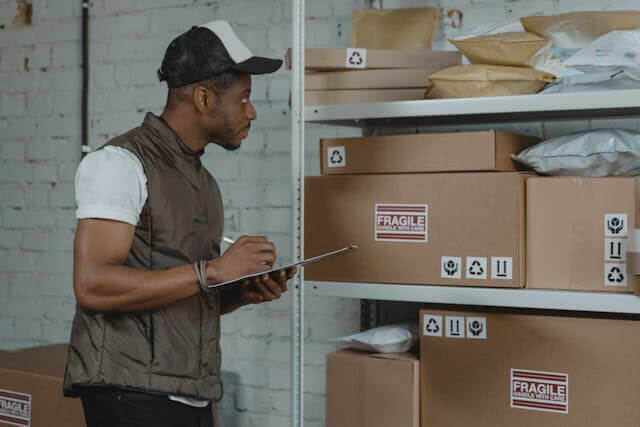
As businesses expand, delivery volume often increases faster than expected. More customer orders, supplier shipments, office deliveries, and internal package transfers create additional pressure on operations teams. Without efficient systems in place, growing companies can quickly experience delays, lost packages, workflow bottlenecks, and rising administrative costs.
Handling larger delivery volumes requires more than simply adding staff. Businesses need better visibility, automation, and coordination across internal logistics operations to maintain efficiency as demand grows.
Many organizations improve operational scalability with efficient parcel management software solutions that automate package tracking, delivery notifications, and chain-of-custody documentation.
Delivery Volume Growth Creates Operational Challenges
As businesses grow, package handling becomes significantly more complex. What once involved a manageable number of deliveries can evolve into hundreds or thousands of packages moving through offices, warehouses, and distribution facilities every month.
Without scalable processes, businesses often encounter operational issues such as:
| Delivery Challenge | Business Impact |
| Manual package tracking | Increased administrative workload |
| Delayed recipient notifications | Workflow interruptions |
| Lost or misplaced deliveries | Reduced productivity |
| Limited tracking visibility | Poor accountability |
| Slow processing workflows | Operational bottlenecks |
Manual systems like spreadsheets and handwritten logs may work temporarily, but they rarely scale efficiently alongside business growth.
Operational growth requires systems that improve visibility, coordination, and process consistency.
Businesses that modernize delivery operations early are often better prepared to manage long-term expansion.
Automation Helps Businesses Scale Efficiently
One of the biggest obstacles growing companies face is the increasing amount of manual work tied to package handling and logistics coordination.
Administrative teams often spend valuable time:
- Logging deliveries manually
- Sending recipient notifications
- Tracking package status
- Resolving delivery disputes
- Searching for misplaced shipments
As delivery volume increases, these repetitive tasks consume more resources and create workflow delays.
Automation helps businesses reduce operational strain by streamlining package handling processes. Parcel management software can automate notifications, proof-of-delivery documentation, barcode scanning, and package tracking updates.
These efficiencies allow organizations to process higher delivery volumes without significantly increasing labor demands.
Visibility Improves Delivery Coordination
Growing companies need real-time access to delivery information to maintain operational control. Without centralized visibility, it becomes difficult to track package status, monitor workflow performance, or identify delivery issues quickly.
A centralized parcel management system provides businesses with:
- Real-time package tracking
- Delivery status updates
- Recipient verification
- Digital chain-of-custody records
- Centralized reporting dashboards
This visibility helps operations teams identify delays before they become larger disruptions.
Businesses with multiple departments or office locations especially benefit from centralized tracking because it improves coordination across teams and facilities.
Real-time visibility helps businesses maintain efficiency even as delivery complexity increases.
Improved tracking transparency also strengthens accountability throughout the delivery process.
Warehouse Coordination Becomes More Important During Growth
As delivery volume increases, warehouse operations often become more demanding. Businesses must process inbound shipments, manage inventory movement, and fulfill outgoing orders more efficiently while maintaining accuracy.
Poor warehouse coordination can create:
- Shipping delays
- Inventory discrepancies
- Increased labor costs
- Slower order fulfillment
- Reduced customer satisfaction
Many organizations improve operational efficiency with integrated warehouse management software platforms that centralize inventory tracking, receiving workflows, and fulfillment coordination.
A reliable warehouse management system helps businesses maintain real-time inventory visibility while optimizing storage, picking, and shipping processes.
Automation also reduces manual inventory handling, helping businesses improve both speed and operational accuracy.
Internal Logistics Affect Workplace Productivity
Internal delivery operations are often overlooked during periods of growth, yet they play a major role in maintaining workplace productivity.
As businesses expand, employees rely on efficient delivery coordination for:
- Technology equipment
- Office supplies
- Client documents
- Operational materials
- Departmental shipments
When packages are delayed or misplaced, productivity can decline across multiple departments.
Parcel management software improves workplace efficiency by automating internal delivery workflows and reducing communication delays between employees and administrative teams.
Automated recipient notifications also reduce unnecessary interruptions caused by employees checking package status manually.
Freight Coordination Supports Operational Continuity
Growing businesses often work with more suppliers, carriers, and distribution partners as operations expand. This increases the complexity of freight coordination and shipment scheduling.
Businesses that rely on disconnected communication methods may struggle to maintain visibility across transportation workflows.
Freight management software helps organizations improve coordination by centralizing shipment data, carrier communication, and delivery scheduling.
Key operational benefits include:
- Improved shipment visibility
- Faster issue resolution
- Better carrier coordination
- Reduced transportation delays
- More accurate delivery forecasting
An efficient freight management system helps businesses maintain supply chain continuity while supporting scalable growth.
Security and Accountability Matter More at Scale
As delivery activity increases, businesses face greater operational risk related to lost packages, unauthorized access, and incomplete tracking records.
Manual systems often lack the accountability required to manage high delivery volumes effectively.
Modern parcel and mailroom management systems strengthen operational security through:
- Barcode scanning
- Digital signatures
- Automated delivery records
- Recipient verification
- Audit-ready tracking history
These features help businesses maintain accurate delivery documentation while reducing the likelihood of disputes or misplaced items.
Industries handling confidential materials or sensitive equipment particularly benefit from stronger delivery accountability systems.
Data-Driven Operations Improve Long-Term Planning
Growing companies need reliable operational data to make informed decisions about staffing, logistics coordination, and workflow optimization.
Disconnected systems often make it difficult to identify operational inefficiencies or forecast future delivery needs accurately.
Integrated operational platforms provide access to centralized reporting and analytics that help businesses:
- Monitor package volume trends
- Improve labor planning
- Identify workflow bottlenecks
- Track delivery performance
- Support operational forecasting
Data-driven decision-making allows businesses to scale more strategically while maintaining operational efficiency.
Efficient Delivery Management Supports Sustainable Growth
Managing increasing delivery volume is no longer just an administrative responsibility. It is a critical operational function that directly affects productivity, customer experience, and long-term scalability.
Businesses that invest in automation, centralized tracking, and integrated logistics systems are often better positioned to adapt to growth without sacrificing efficiency.
As delivery demands continue increasing across industries, organizations that modernize parcel handling, warehouse coordination, and freight management workflows will maintain stronger operational control and support sustainable business expansion.
